- AI automates logging rushes, adding subtitles and first cuts, taking over part of the project preparation.
- Rhythm, narrative and emotion still depend on the editor’s choices.
- The hybrid method combines automation and human input throughout the edit.
- Consumer generators suit simple formats, but show their limits on more demanding brand films.
- The final quality depends above all on the art direction and the directing choices.
AI video editing takes over certain repetitive tasks, such as logging rushes, subtitling or creating a first version of the edit. However, rhythm, narrative and creative choices remain in the hands of the editor.
At Il Est Une Fois, our video production agency in Paris, we therefore use artificial intelligence as an editing aid. Here is what it actually makes possible, its limits and the conditions needed to obtain a professional result.
How does AI come into video editing?
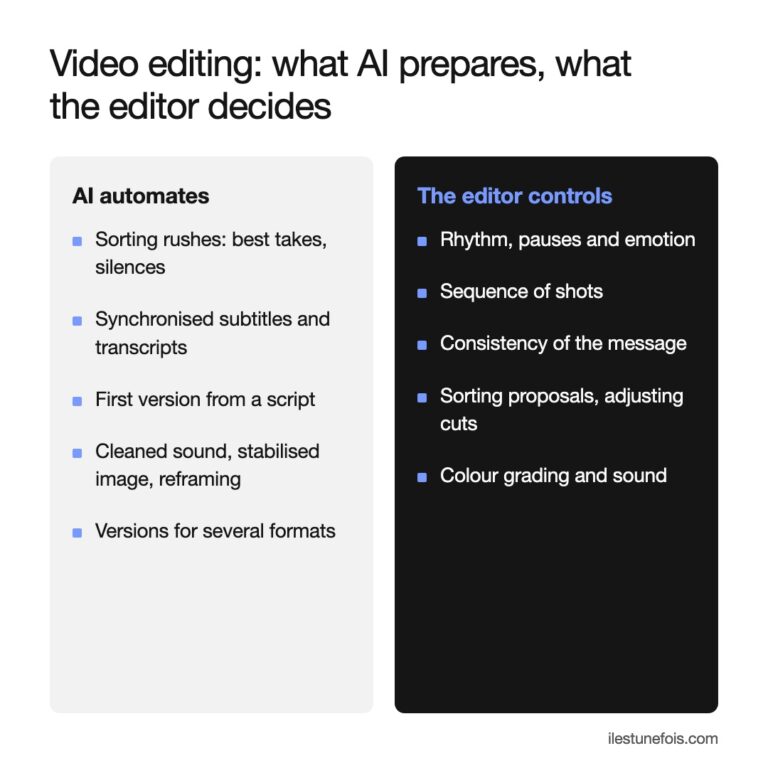
AI video editing refers to the use of algorithms to automate the technical stages of an edit. Artificial intelligence identifies, sorts and prepares the material, then leaves the editor to assemble the story. It is mainly used on specific, time-consuming tasks:
- Sorting hours of rushes by identifying the best takes and the silences to cut.
- Generating synchronised subtitles and transcripts.
- Proposing a first version of the edit based on a script or a running order.
- Cleaning up sound, stabilising the image or reframing the same video for several formats.
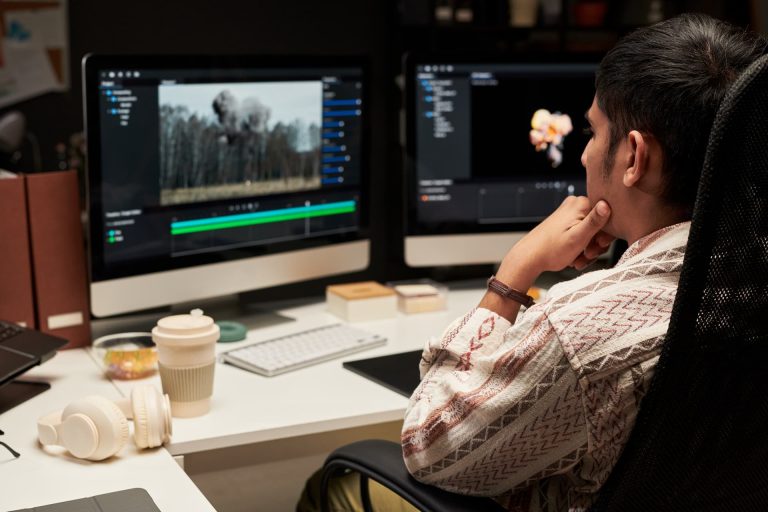
This technical groundwork takes care of preparation, leaving more attention for strategic and creative work.
The final assembly, on the other hand, remains a human choice, and that is precisely where the quality of the result is decided.
A common belief: “To edit with AI, you just write a good prompt and run the generation to get a quality film.” In reality, several attempts are often needed before obtaining a usable result. AI can propose a first assembly, but rhythm, the sequence of shots and emotion always depend on the editor’s choices.
Why does the editor’s expertise remain essential?
Using AI does not replace the experience of a professional editor. It handles certain technical and repetitive tasks, but rhythm, pauses and emotion remain the result of human choices. In other words, AI supports certain stages of video editing without building the story on its own.
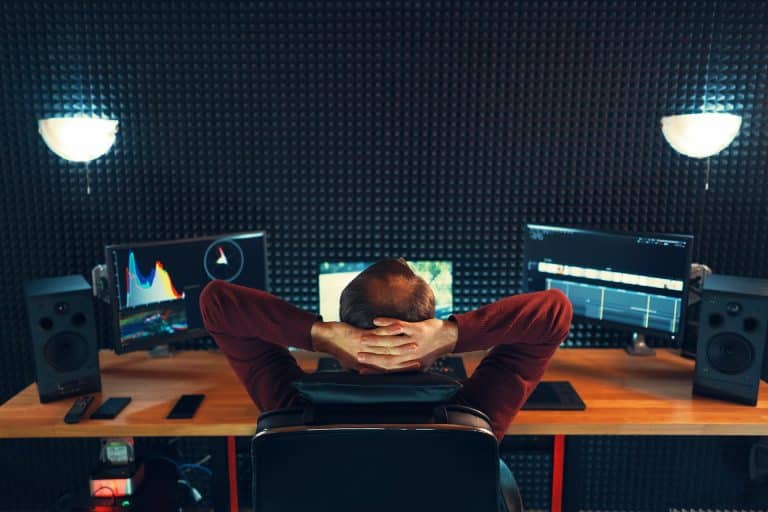
This is why the quality of a brand film still depends largely on the editor’s eye. The editor selects the AI’s proposals, adjusts the cuts and makes sure the message stays consistent throughout the edit.
Our expert view: “The job has not changed: you still have to build a story, make the right editing choices and give the film its rhythm. AI makes certain technical tasks easier, but it is the professional’s experience that turns these elements into a consistent, finished film.” David Baudry, founder, director and art director of Il Est Une Fois.
How do you obtain a professional result with AI video editing?
Quality AI video editing relies on a hybrid method: AI handles certain preparation tasks, while the professional remains responsible for the creative choices.
For our part, we use AI in particular to sort rushes, add subtitles and generate different format versions; our directors then work on rhythm, colour grading and sound to ensure a consistent, controlled result.
This consistency also depends on precise art direction, especially when generated images are integrated into the edit. The CNC, the French national centre for cinema, has launched an Artificial Intelligence Observatory to monitor these uses in the audiovisual sector. The edit can also include motion design and be part of an AI video production planned from the brief.
Our advice: even though editing comes at the end of production, it must be planned from the scriptwriting stage. Deciding from the outset how real sequences and generated shots will follow one another makes them easier to assemble and gives better control over the film’s rhythm.
Are you comparing several quotes and want the editing to really showcase your message? Entrust your project to Il Est Une Fois: you will deal with a single point of contact, rely on a clear method and have a client area designed to make our exchanges easier throughout the project.
FAQ: AI video editing
Is AI video editing free?
No, AI video editing is not really free. Online generators offer trial periods, but obtaining a professional result requires licences, human time and computing power. On a brand film, production therefore represents a real budget.
Which formats are best suited to AI video editing?
Editing video with AI is best suited to short, recurring formats: clips for social media, multi-format versions, large-scale subtitling or tutorials. As soon as a project requires strong art direction, a brand discourse to respect or a real visual signature, the editor’s role becomes central.
Which editing tasks does AI take over?
AI mainly takes over preparation: logging rushes, transcription and subtitles. Creative work does not change, because the final assembly requires the same care. The editor can therefore devote more attention to the story and the rhythm.
Does AI change the final quality of the video?
Yes, AI can improve or degrade the final quality of the video. When well supervised, AI cleans up sound, stabilises the image and harmonises formats. When poorly managed, it produces visible inconsistencies from one shot to the next. Everything therefore depends on the quality of the human control exercised at each stage of the edit.
Sources:
- INSEE, Artificial intelligence in companies (in French)
- CNC, Artificial Intelligence Observatory (in French)
Article written by David Baudry
I founded Il Est Une Fois in 2004 and I am its artistic director, personally overseeing projects with high creative stakes. Trained in film and audiovisual production, I taught at the École Supérieure des Arts Visuels in Morocco, then worked in China and the United States. Since then, the agency has produced more than 100 videos a year, including for the French Ministry of Justice, ARCEP, CNRS, the Sorbonne and UNESCO, as well as campaigns broadcast on TF1 and M6. In 2019, our work won the award for Best European Cinematography at the Grand European Off Film Awards in Warsaw.